To me this is just another attempt at trying to raise people's hysterics about certain products and things. People use these sorts of studies all the time. In fact, when I was a kid, they linked the use of aluminum (as in pop cans) to Alzheimers. Suddenly everyone goes into a panic mode about that and no longer buying canned drinks. (At that time I did stop buying them and noticed later that everything out of cans tasted remotely like metal, yuck!)
I will concede that some of these studies are good things, but the way I see it, people generally have some sort of agenda in mind and I am rather skeptical about the motives behind them. Of course, if I do have questions about such things, then I will address my doctor or my brother-in-law (who is also a medical doctor).
If ever I get worried about anything healthwise, I don't go to the internet for my answers. To me that's like getting a diagnosis over the phone. I generally go to whatever doctor the question might involve and get a professional opnion about it.
The point is, there are tons of things that can cause heart disease and diabities out there. One of which, the most obvious, is unhealty eating habits and not enough exercise. Just look at the amount of fat and sugar in most fast foods. Personally, I think I would be more concerned about the health risks of the fast food diet than I would be about how many CDs, plastics, or other things I have lying around my house.
I will mention this article to my husband and see what his take on it is. He is a PhD in Chemistry and might be able to tell us a little bit more about this substance in question. It may not be as 'dangerous' as the article implies. Between him and other members of my family, we might be able to find out for sure.
Regardless of what we do find out, if we were to stay away from absolutely everything that could cause a potential threat to our bodies or health, then we might as well live out our lives trapped in a bubble.

 Welcome to the Muppet Central Forum!
 FIFA World Cup 2026 Final Halftime Show
 The Muppet Show
 Sesame Street Classics on YouTube
 Back to the Rock Season 2
 Sesame Street debuts on Netflix
 Sam and Friends Book
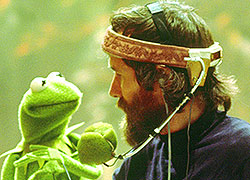 Jim Henson Idea Man
 Bear arrives on Disney+


