[Oct 16, 2026]
Natasha Lance Rogoff is a journalist, educator, filmmaker, author, and media producer. She has been fascinated by two countries in her life, America and Russia. As a teenager, she changed her name to Natasha in 1982. At 22, she went to Leningrad, now St. Petersburg, as a student and learned the culture and language. She was fascinated by the Russian people, especially artists, and she traveled widely to explore in her documentary films the conflict between art and politics, freedom and power and the end of the Soviet regime. She also worked with Tom Brokaw, NBC and Hedrick Smith of PBS in producing programs on the end of the Soviet Union. She directed and produced Russia for sale, the rough road to capitalism. Then the [Children's Television Workshop] took notice and asked her to bring Sesame Street, can you believe it, to post Soviet Russia at the end of the Cold War.
She became executive producer of Ulitsa Sezam, the Russian version of Sesame Street from 1993 to 1997, and faced all the questions of taking a popular American program for children and translated to a Russian program for Russian children. In 2022, she wrote about the experiences in Russia in her book, Muppets in Moscow: The Unexpected, Crazy, True Story of Making Sesame Street in Russia. She tells the stories of the nationality clashes, cultural differences, political violence, and the assassination of her Russian broadcast partners as they created Ulitsa Sezam. Today, Natasha is an associate in Harvard's Department of Art, Film and Visual Studies and is married to the distinguished Harvard economist, Ken Rogoff. They have two children and live in Cambridge, Massachusetts. She works at the cross section of technology, media, and education using her experience to explore change. This is an important moment in global politics as the United States, China, Russia, Iran, and much of Europe, Africa, Latin America, and Asia debate their ambitions and their differences. We will talk about her experiences in Russia, understanding differences in culture and nationality, and how misunderstandings can lead to violence and sometimes war. We will ask about Reagan and Gorbachev, Putin and Trump and the future of free speech on campuses like Harvard and how she answers classic questions on freedom and order, the limits of hate speech in Russia today and after Putin. I am pleased to have her on this program as we initiate a new studio for more in-person conversations.

 Welcome to the Muppet Central Forum!
 Sesame Street Special
 FIFA World Cup 2026 Final Halftime Show
 The Muppet Show
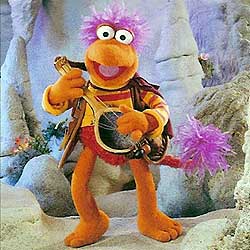 Back to the Rock Season 2
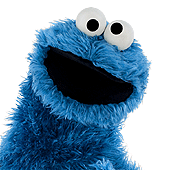 Sesame Street debuts on Netflix
 Sam and Friends Book
 Jim Henson Idea Man
 Bear arrives on Disney+